Retail store audits from a photo of the aisle
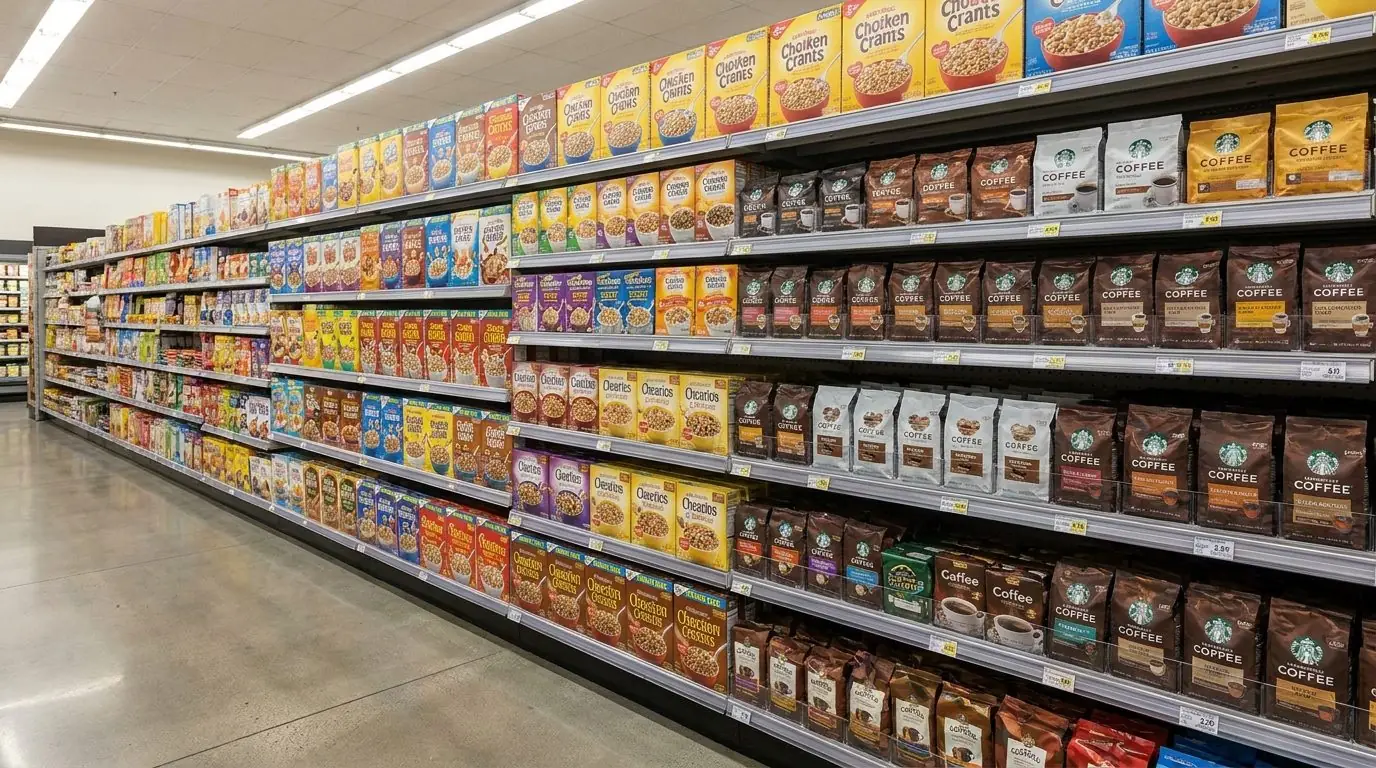
Store standards are visual, so audit them visually. A colleague photographs the aisle, the display or the back room; the AI compares it against the reference you set for that spot, scores it, and boxes what is wrong. Head office sees the same thing the district manager would have seen on a visit.
What usually goes wrong
Three failure modes we hear about repeatedly, and what changes when the check produces a graded photo.
The district manager visits each store every few weeks, and everyone knows which day. The audit measures the preparation, not the week.
A store colleague photographs the same spots daily. Nobody can prepare for every day of the month.
Photo compliance already exists — colleagues send pictures to a group chat, and nobody reviews four hundred of them.
The AI reviews every one of them and only escalates the ones that fail, with the problem boxed on the image.
"Standards slipped" is an opinion until someone can show which standard, which aisle, which week.
Scores per location over time, and a breakdown of which finding types repeat most.
Where teams point it first
Each of these is one control point: a spot you photograph once to set the standard, then re-photograph on a round.
Opening floor walk
Entrance, promotional end, checkout queue area. Photographed and graded before doors open rather than described in a WhatsApp message.
Shelf and display presentation
The reference is the aisle as it should be set. Gaps, stock left in the wrong facing, and fixtures that drifted out of place come back as boxed findings.
Back of house and stockroom
Aisles clear, cages returned, nothing blocking the fire exit. The part of the store the customer never sees and the auditor always writes up.
Multi-store comparison
Every store is graded against the same references, so the weekly digest reflects the stores rather than the visit schedule.
How it works
Three steps, and only the first one takes any thought.
Photograph each spot as it should look
Entrance, key aisles, promo ends, stockroom. Those become the standard for that store.
Colleagues photograph on their round
Browser on their phone, about five seconds per spot. No app, no login to hand out.
Head office reads the scores
Failures alert immediately; the weekly digest lists the points that failed most and which findings keep coming back.
A graded inspection
This is the output as the supervisor sees it — score, boxed findings, and a note written for the person who took the photo.
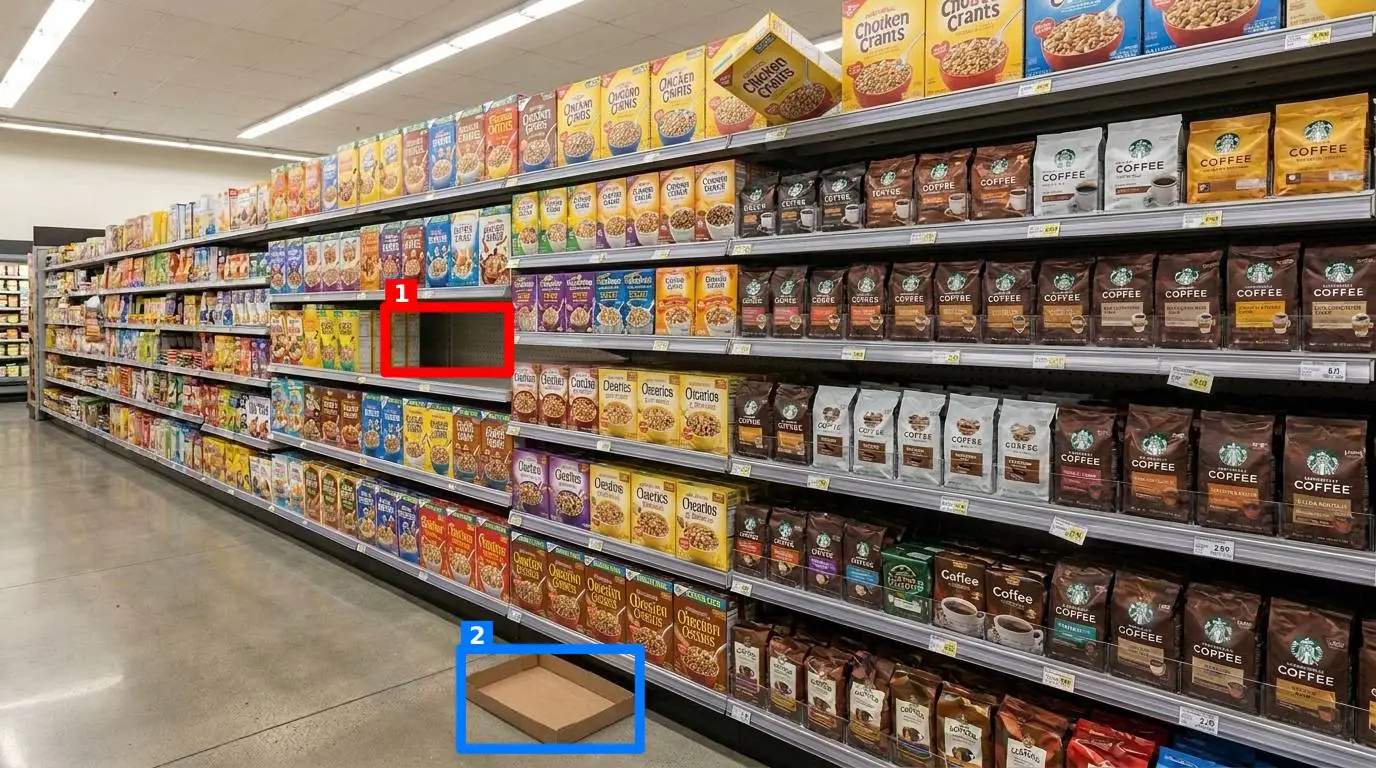
Cereal aisle, morning walk
Graded against the store reference before opening
What changes
Not claims about your numbers — the mechanical consequences of grading a photo instead of ticking a box.
Daily coverage, not monthly
Because the check costs a colleague seconds rather than a manager a drive, it happens on the days nobody would have visited.
One reviewer for every photo
The AI reads all of them and escalates only what fails, which is the part that made photo compliance unworkable by hand.
Standards you can argue with
Scores per store over time and the findings that keep repeating turn "standards slipped" into a specific aisle in a specific week.
Other industries
The mechanics are the same everywhere: a reference photo, a photo from the floor, and a graded difference.
Manufacturing
5S audits on the shop floor, graded from a photo of the workstation.
Read more →Restaurants & food service
Opening checks, kitchen cleanliness and station standards, graded from a photo.
Read more →Facilities & housekeeping
Cleaning and housekeeping inspections, graded from the cleaner's own photo.
Read more →Grade one of your own aisles
150 free inspections over 14 days. No credit card, nothing to install.
Start free